The Steaming Method
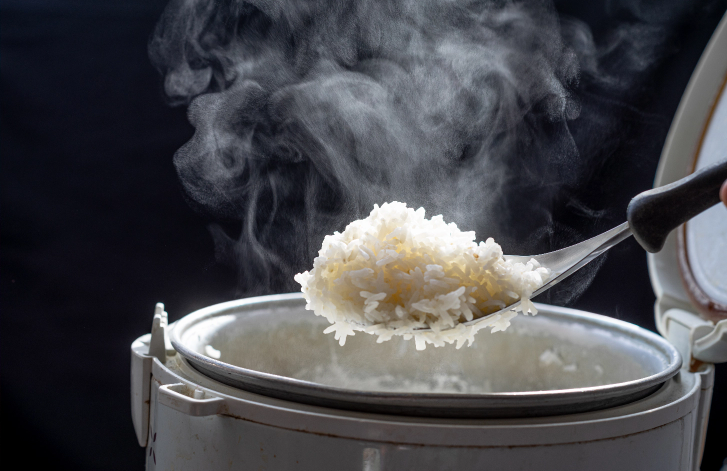
The steaming method is a popular choice for aromatic rices, like jasmine and basmati and, like with the absorption method, is all about retaining the maximum amount of flavour and aroma.
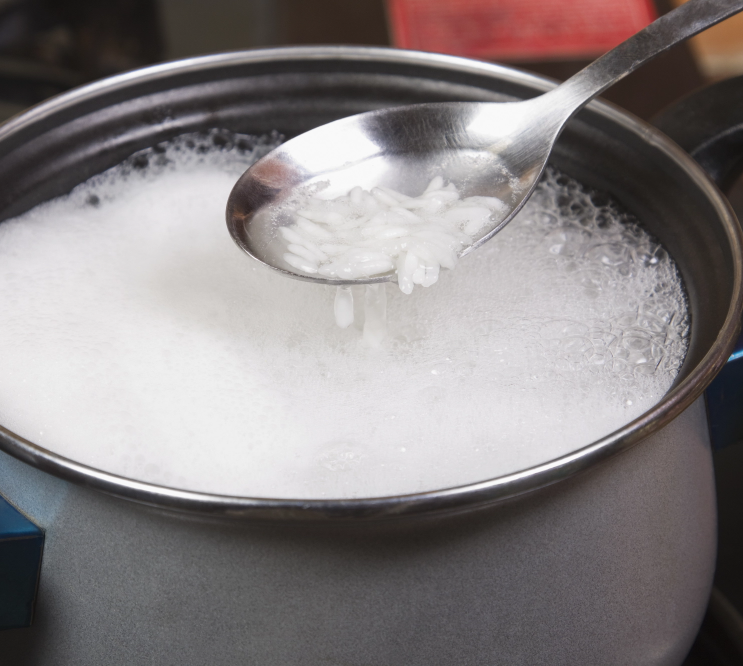
- Remove excess starch by rinsing the rice under cold water until the water runs clear.
- To work out how much water to use, the general rule for steaming rice is one cup of rice to one and a half cups of water. (Optional. Soak the rice in water for 30 minutes ahead of cooking for fluffier grains).
- Place the rice and the water in a steamer and steam over medium heat for 20- 25 minutes or until tender and cooked through.
- Remove from the heat. Do not rinse. Cover and allow the rice to rest for 5 to 10 minutes, before fluffing with a fork to serve. Some might say there is an art to cooking rice, but the above methods reveal just how easy it is achieve perfect results with a few easy steps. Whether boil and sieve is your quick and easy go to, or if you prefer the more aromatic results of steaming, give these techniques a whirl and see which one your prefer.
Should you wash rice before you cook it?
It is customary to wash fruit and vegetables before we cook them, but what about rice?
The main reason for washing any food boils down to cleanliness. Rinsing removes dirt, chemicals, debris and bugs, which none of us want in our food. Rinsing rice also removes excess starch, which helps give basmati rice its desired light, fluffy and separated grains.
Despite the upmost care and attention being taken during the manufacturing, packaging and distribution process, we believe it is always best practice to rinse your rice before cooking.
Master the art of cooking dry rice and save money and plastic waste
Delicious Magazine featured Laila in a recent budget rice recipe round up, as part of its cost saving tips, it said: ‘For the best value rice, it’s always best to buy in bulk in bags of 5kg or 10kg, which you’ll find in the ‘World Food’ aisles of many supermarkets. Buying in larger quantities is cheaper, with basmati rice often costing as little as £1.80 a kilo. You might need to try a few brands before you find the kind that’s right for you’. It said the Laila brand gets the delicious. team’s ‘seal of approval’, adding ‘we are particularly fond of Laila’s Xtra Long basmati rice, for South Asian dishes.’
A typical serving of dry rice expands to around three times its weight when cooked by absorbing water. 85g of dry rice makes approximately 250g of rice when cooked. As such a 2kg bag of Laila rice makes approximately twenty three 250g servings of rice. That’s twenty three (250g) plastic rice pouches that can be avoided. Plus Laila’s 2kg rice bags are fully recyclable at your local supermarket. A quick and simple choice for reducing the burden of plastic waste on the planet is to swap out microwaveable rice for dry.
PLUS it is good for the pocket too. Twenty three pouches of microwaveable rice, typically at over £1 per pack, costs more than £23 – compared to a 2kg Laila rice pack which retails at around £5. A simple swap that could save almost £20 a month for the average family that eats rice once or twice a week. (or £240 a year).
Basically an 85g serving of dry rice – which makes up 250g cooked – costs around 20p. The equivalent 250g microwaveable pouch costs five times as much, coming in at over £1 a pack. Big savings, same food.