

blog-promo-sec-bg.png

January 2025

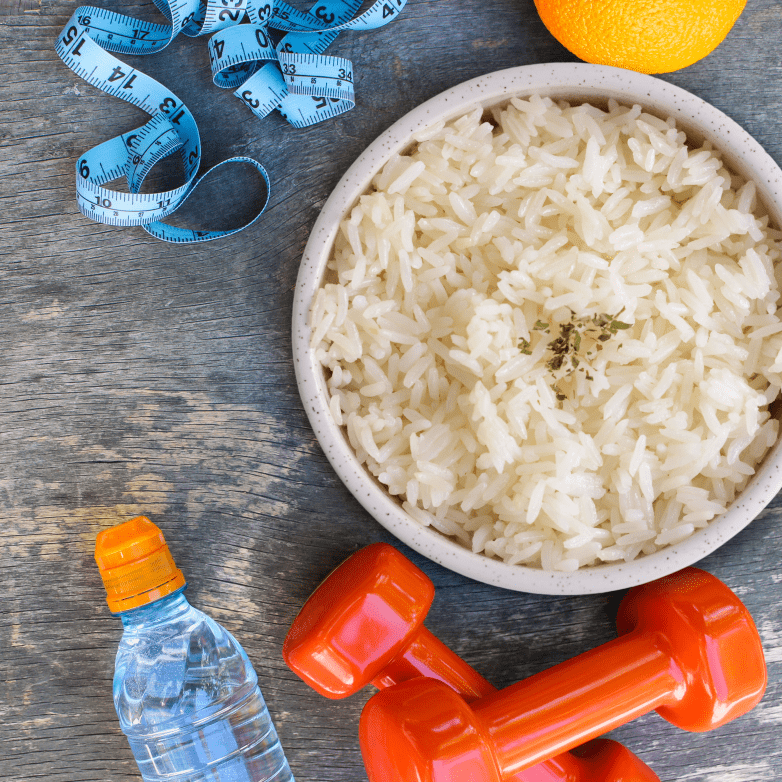
Rice and weight loss

Looking to shed a few pounds after the Christmas excesses? We take a look at how upping your rice in-take might be a valuable tool in the battle of the bulge.

blog-promo-sec-right-img.jpg

Rice and weight loss

Many people on a mission to lose weight, swear by swapping out wheat-based carbs and potatoes for rice, but this is very much based on anecdotal success stories, rather than any studies.

On her TV show, Oprah Winfrey recently claimed to have lost weight by switching from bad carbs to good ones. She was specifically referring to switching out carbohydrates, which spike your blood sugar levels, like bread, processed cereals, potatoes, cakes and pastries and replacing them with high fibre carbs or carbs with a low GI (check out our blog on how basmati rice has a lower GI than other traditional white rice’s, making it a potentially positive choice for weight control).

High glycemic index foods turn to glucose fast and spike levels of the hormone insulin, which the body uses to process glucose into physical energy. Foods low on the index break down more slowly. The presence of fibre is key – the higher the fibre content the longer it takes to break down and the better the satiety.

While there are limited studies on rice and weight loss specifically, scientific literature does support that eating carbohydrates embedded in plant cellulose, also known as complex carbohydrates, is always better. This is possibly why brown basmati rice, a whole and unprocessed food, makes a favourable option, when pitted against white bread and potatoes, for those seeking weight loss.

The naturally gluten free credentials of rice are also a big plus, with many people complaining that wheat-heavy products and bread result in bloating.

blog-d-m-sec-bg-orange.png
Screenshot2024-06-24at16.57.19.png

Basmati rice is primarily composed of starch, a moderate amount of fibre (which helps promote satiety, support digestion and regulate blood sugar levels) and small amounts of naturally occurring sugars (glucose and fructose).

However, while basmati rice is typically low GI, any food can cause weight gain if eaten in excess, so moderation, eating mindfully and a balanced diet are still key.

While basmati rice has a lower GI than many other white rice varieties, it is still considered a refined carbohydrate, as it has been stripped of its bran and germ layers. Many nutritionists would argue that brown basmati rice is a superior choice if you are serious about losing weight.

The Bravo study, published in the British Journal of Nutrition, concluded that brown rice has a superior effect on lowering the body’s glucose response, compared to white.

There are several things to consider when using rice as part of a weight loss plan and some great hacks to take advantage of.

The type of rice matters

Portion control

Rice is calorie-dense and overeating it can contribute to weight gain so it is important to stick to appropriate portion sizes. Typically, a ½ cup of cooked rice per meal is a reasonable portion for most people. Also try balancing your plate with protein and vegetables: Pairing rice with lean protein (chicken, tofu, fish) and plenty of vegetables can make the meal more filling and nutritious while keeping calories down. This also helps to avoid the temptation of overeating just rice. It is no surprise that combining lean protein, broccoli and rice has been a firm favourite with the body building community for decades, who swear by this simple hack for staying lean.

Avoid refined

carbs If you’re aiming for weight loss, it’s generally advisable to reduce your intake of refined carbohydrates, which are quickly digested and can spike insulin levels. If you choose white rice, be sure to balance it with other whole foods.

Load up on fibre first

(we love this hack, as it is simply about re-ordering how you eat your food for maximum benefit).

In her book, The Glucose Revolution, author and biochemist Jessie Inchauspé recommends those who need to balance their blood sugar levels take a small salad before every main meal and take a light walk within an hour of eating it. Using the latest science, and collating decades of research, she explains how the fibre in the salad, before you eat, helps cut out the insulin spikes that do damage and, similarly, the exercise helps bring down your blood sugar levels post meal. Out of control blood sugar levels are implicated in weight gain, so getting them under control with these simple and easy hacks is worth the effort.

Moderation

Rice should form part of a balanced and well-rounded diet that includes vegetables, fruits, lean proteins and healthy fats.

Cooking method

The way rice is cooked can also impact its effect on weight loss. Avoid cooking it with excessive oils or butter, as this can significantly increase the calorie content. Some influencers also suggest rinsing rice in boiling hot water, after it is cooked, to remove excess starch. In summary, rice can be a valuable part of any weight loss strategy, as part of a balanced diet, if consumed in moderation.

Looking for inspiration to add more rice to your weekly menu – check out our recipe pages.