

blog-promo-sec-bg.png

February 2025

Dal – The perfect winter warmer

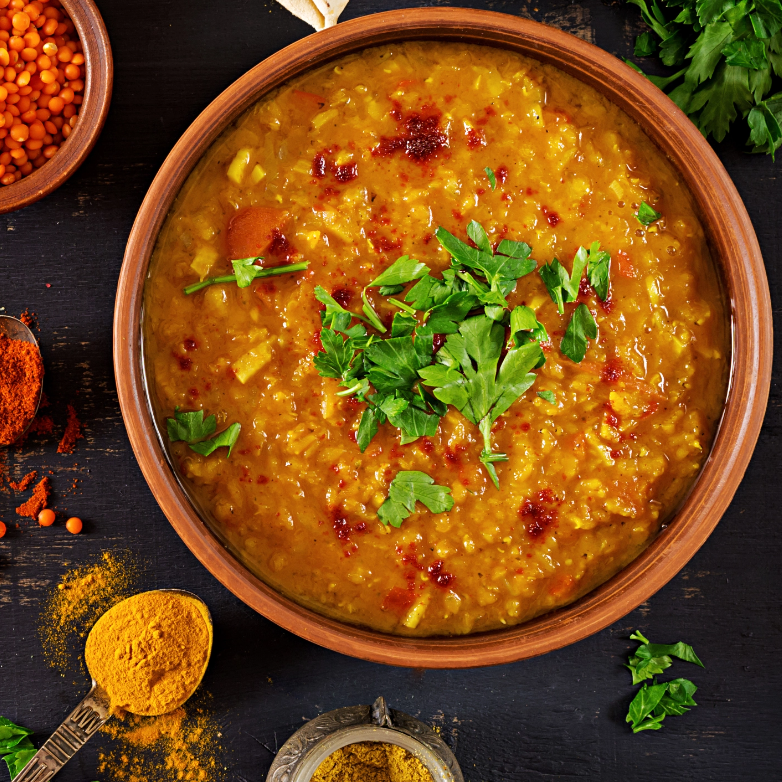
With the cold temperatures hanging in there, it is hard to believe that Spring is around the corner. It is not surprising that most of us are still craving warm, filling and nutritious meals and nothing quite hits the spot like a delicious dal.

blog-promo-sec-right-img.jpg

Dal (also spelled daal, dhal) is generally considered a healthy meal option. It is a staple in many cultures, especially in Indian and South Asian cuisine, and is made from lentils, peas, or beans.

It has earned its health food profile for several reasons, including:

High in protein: Dal is a great plant-based source of protein, especially for vegetarians and vegans.

Rich in fibre: Dal’s high fibre content helps with digestion and satiety. Packed with nutrients: Dal contains essential vitamins and minerals like folate, iron, magnesium, and potassium.

Low in fat: Dal is naturally low in fat (if cooked without too much oil or ghee). Supports heart health: The fibre, antioxidants, and nutrients in dal can help lower cholesterol levels and promote cardiovascular health.

blog-d-m-sec-bg-orange.png
Screenshot2024-06-24at16.57.19.png

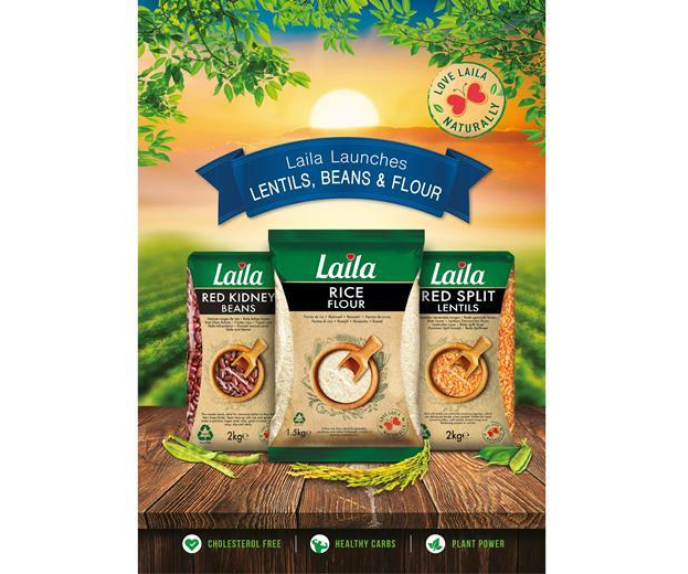
In 2019, Laila launched a ‘plant power’ campaign as it expanded into lentils, beans and flours. It is increasingly supported by research that whole food, whole grain carbohydrates, like lentils, beans and peas are among the best sources of protein and energy for optimum health. More and more consumers are focusing on adopting healthy eating habits and are mindful of how their preferred sources of protein impact the planet and their personal health, with many now opting for plant-based protein.

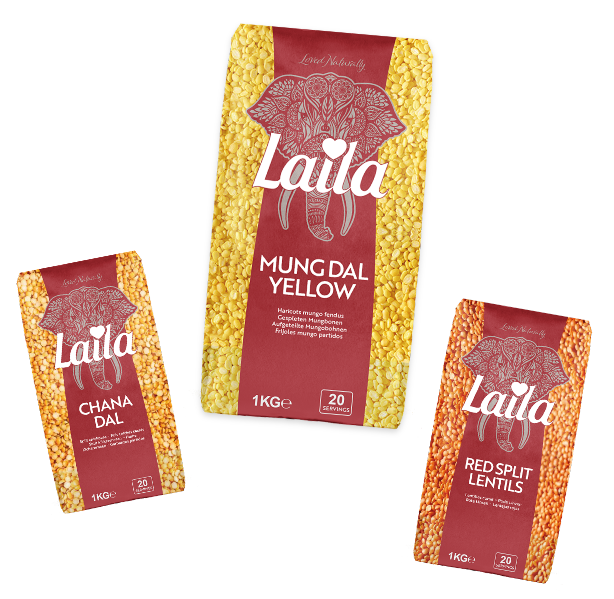
Laila’s plant-based range includes chickpeas, lentils and kidney beans as well as semolina, polenta and rice flour.
Screenshot-2024-06-24-at17.09.02.jpg

Pulses are perfectly placed to meet rising global food demand. The United Nations has identified these nutritional powerhouses as having an important role to play in addressing challenges around poverty, food security, nutrition, soil health and climate change.

Plant-based or plant-heavy diets are generally considered better for the planet, compared to diets that are high in animal products. They involve lower greenhouse gas emissions and more efficient land and water use. By adding more plant-based foods to our diet, we can all help reduce our overall environmental impact.

Want to try this filling and nutritious South Asian favourite? Check out our recipe for quick and easy Instant pot spinach dal. This creamy, wholesome curry, made from split chickpeas, spinach and spices is packed full of flavour and goodness.