

blog-promo-sec-bg.png

August 2024

Basmati rice: Naturally, gluten free

As part of our Rice for Life blog series we take a look at how basmati rice makes a healthy addition to the weekly menu. In this blog we explore the benefits of eating gluten free.

blog-promo-sec-right-img.jpg

Benefits of eating gluten free

The UK diet has become incredibly gluten dense in the last few decades. However, with food allergies on the rise, more and more people are mindful about how, what they eat, impacts their overall health.

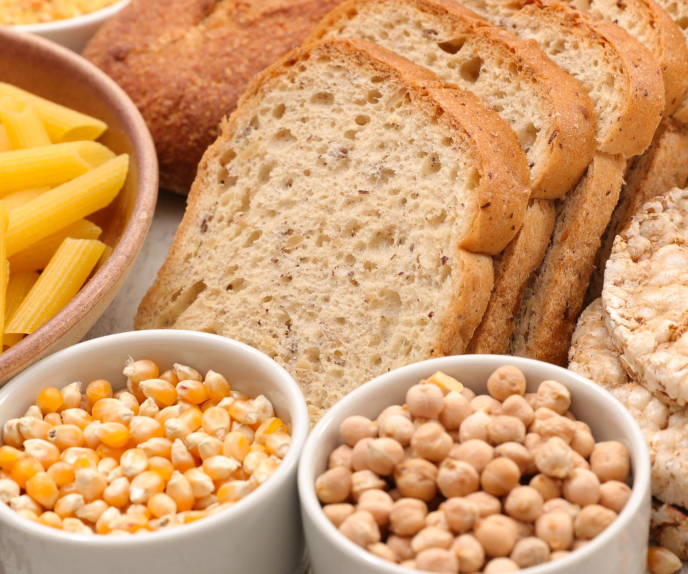
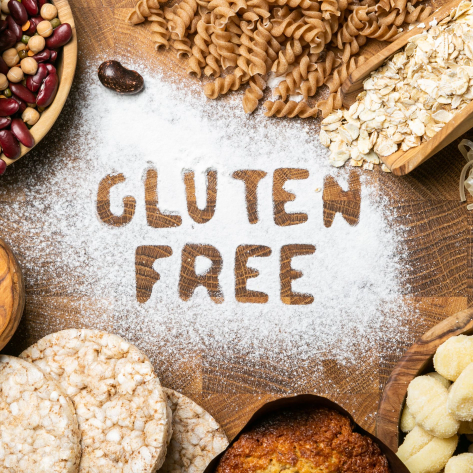
Gluten free is one of the fastest growing segments of the UK grocery industry with a raft of new, and expensive, gluten-free alternatives hitting the shelves every month. However, expensive alternatives aren’t the only option for those looking to lower their gluten consumption; Laila offers a wide range of delicious store cupboard staples that are all, naturally, gluten free, affordable and great assists for a balanced diet.

What is gluten? A group of proteins found in wheat, barley and rye.

blog-d-m-sec-bg-orange.png
Screenshot2024-06-24at16.57.19.png

How can eating gluten impact your health?

Around one per cent of the UK population suffer from coeliac disease, a serious auto immune condition which primarily affects the small intestine. For coeliacs even the tiniest amount of gluten can cause the immune system to attack the delicate lining of the gut, leading to serious health issues, including malnutrition and severe stomach pain.

While this number seems fairly small, it is worth noting that NICE (National Institute for Health and Care Excellence) considers it an under-diagnosed disease. They estimate that for every person diagnosed, seven to eight people remain undiagnosed.

In addition to coeliac disease, medical professionals are increasingly acknowledging a condition called non coeliac gluten sensitivity. According to Coeliac UK, this is a relatively new field that requires a lot more research to fully understand, as it is not clear how the immune system is involved in such cases. No antibodies are produced and there does not appear to be damage to the gut lining. As such, there are no specific diagnostic tests for non coeliac gluten sensitivity.

However, despite challenges around clinical diagnosis, large swathes of the UK population, an estimated 8.5 million, currently follow a strict gluten free diet – convinced that avoiding gluten brings about better health for them.

The evidence may be more anecdotal, than scientific, but the sheer numbers highlight it could be something that modern medicine simply can’t explain yet. Check out this experiment by the BBC’s Trust Me I’m A Doctor team, led by Dr Chris Van Tulleken.
Screenshot-2024-06-24-at17.09.02.jpg

What are the symptoms of gluten sensitivity?

It turns out gluten sensitivity can masquerade as many conditions. Some commonly reported symptoms include, diarrhoea, constipation, fatigue, skin issues, depression and anxiety, iron deficiency anaemia, auto immune disorders, joint and muscle pain, bloating, headaches/migraine, weight loss/weight gain and sluggishness.

What should I do if I suspect I have an issue with gluten?

If you suspect you could have an issue with gluten it is essential that you do not cut it out of your diet. In order to rule out coeliac disease you need to continue to eat gluten while your GP runs the tests – or the tests won’t work. If coeliac disease is ruled out, you may then want to work with your doctor, or under the supervision of a nutritionist, to begin an elimination diet. Avoiding food groups can remove vital vitamins and minerals from the diet, especially for growing children, so it is essential to enlist the support of a trained practitioner who can help you compensate for any shortfall in nutrients.

Should we all be eating a gluten-free diet?

In short, no. Lots of people can tolerate gluten and live for their fix of pasta, bread and cakes. However, many nutritionists argue frequently ingesting gluten-heavy meals is not desirable. With our modern diets, it is easy to consume gluten with every meal, every day, for instance, toast for breakfast, a sandwich for lunch and pasta for dinner. The key, as always in life, is balance and moderation. This is why introducing some rice-based dishes to your week is a great way to introduce natural breaks into your gluten load. Lots of people find rice much lighter on their digestion than breads and pastas too.

Screenshot-2024-06-24-at17.09.02.jpg

Why choose Laila?

Laila has a range of high quality, store cupboard staples that are perfect for those looking to remove or limit gluten in their daily diet.

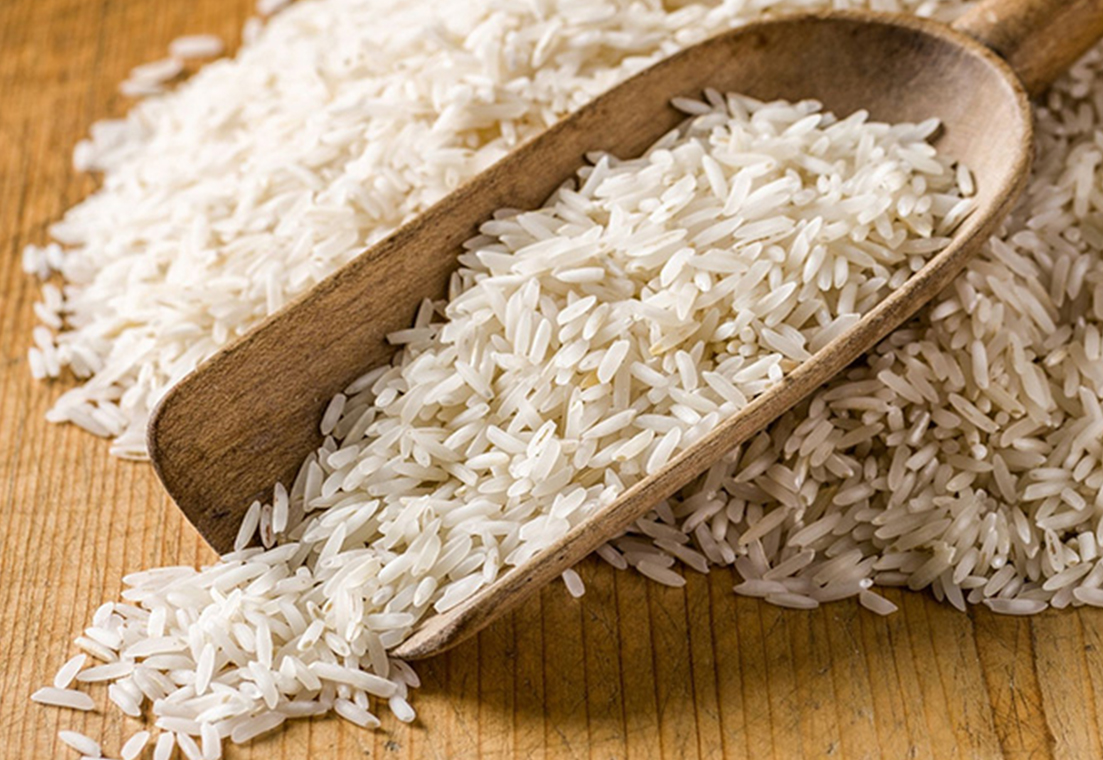
Basmati rice is a naturally gluten free carbohydrate, providing it has been protected from gluten cross-contamination in processing and cooking.

Scratch cooked dry rice is the safest bet for those wanting to avoid gluten. Flavoured rice pouches often contain gluten-based ingredients, including wheat-based thickeners and flavour enhancers.

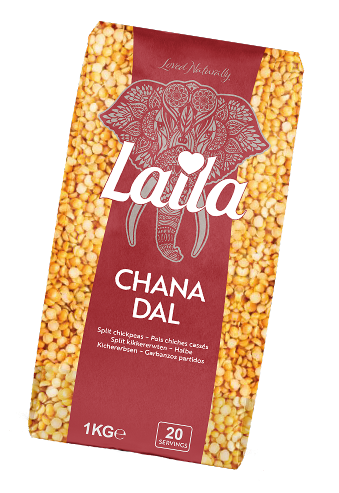
Meanwhile, lentils, beans and pulses are also a great addition to the diet to crowd out gluten-rich meals and reintroduce more balance. (Check Out Our Range Here). They are also nutritional powerhouses, containing lots of essential nutrients, packed with protein, fibre, vitamins and minerals. Highly versatile, they can be added to soups, salads and stews to create satisfying, hearty meals.(For Inspiration Take A Look At Our Recipes)

These store cupboard staples, which are naturally gluten free, are also much more affordable than the expensive ‘gluten free’ alternative foods on sale. Rice, lentils, beans and pulses are also a great source of B-vitamins and fibre, which is often a nutritional gap in gluten free diets.

At Laila, our aim is to help you better understand the gluten-free trend so you can make informed choices about your own diet.