

blog-promo-sec-bg.png

October 2024

Basmati rice: The low GI carbohydrate

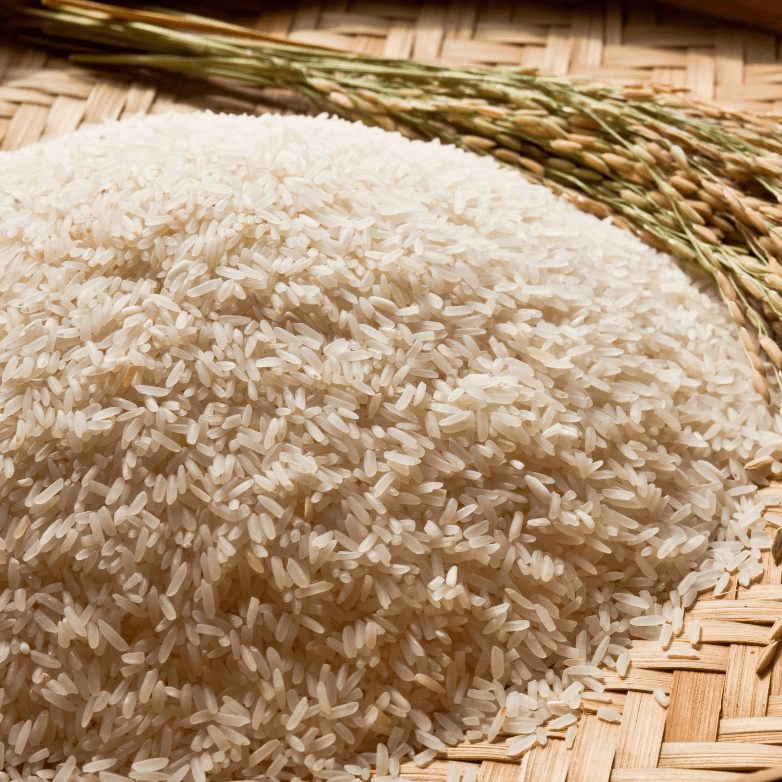
As part of our Rice for Life blog series we take a look at how basmati rice makes a healthy addition to the weekly menu. In this blog we explore how, unlike standard white rice, basmati is, typically, a low GI carbohydrate making it better for steadying blood sugars – which is considered protective against weight gain, diabetes and heart disease.

blog-promo-sec-right-img.jpg

What is the Glycemic Index (GI)?

The Glycemic Index (GI) is a tool that measures how the carbohydrates you eat affect your blood glucose levels.

Foods that have high glycemic index values release glucose rapidly, while those with low glycemic index values release glucose slowly.

The digestive system breaks the carbs you eat down into simple sugars. These enter the bloodstream and impact your blood sugar levels. The Glycemic Index (GI) is a measurement system which was created in the early 1980s by a Canadian professor (Dr David Jenkins). It ranks foods against their specific affects on blood sugar levels. (using a baseline of pure glucose as a reference food with a GI value of 100).

Low glycemic index:55 or less

Medium glycemic index: between 56 and 69

High glycemic index: values of 70 or above

Foods without carbs, like meat, eggs, fish, herbs and spices generally won’t be found on GI lists.

blog-d-m-sec-bg-orange.png
Screenshot2024-06-24at16.57.19.png

Why follow a low GI diet?

Keeping your blood sugar levels steady is generally considered a good weight management tool as it prevents the roller-coaster of blood sugar highs and lows which often lead to weight gain and over eating. A low glycemic diet is considered beneficial for weight control, as well as being preventative against type 2 diabetes. (High glycemic diets have been linked to a greater risk of developing type 2 diabetes in several studies)

Unlike some white rice varieties, the basmati grain is, typically, low GI – which means it raises blood sugar levels gradually and doesn’t cause the peaks associated with other popular carbs like processed foods, potatoes and white bread. This is an impressive jewel in basmati’s crown and is unusual; as a serving of standard white rice is typically up in the 70s on the GI scale and can have the same affect on blood sugars as eating pure table sugar – creating a rapid spike.

In April 2015 a report in the journal Critical Reviews in Food Science and Nutrition, stated basmati rice has a glycemic index value between 50 and 58, making it a low to medium GI carb. It is, however, important to know, instant, precooked and pre-soaked rice products, like microwave rice pouches, can have elevated glycemic index values, so it is always best to cook your rice from scratch.

A low GI diet is often the go-to diet recommended to people newly diagnosed with diabetes who are advised to limit their intake of carbs. However, for carb lovers out there, it is a relief to know that all carbs are not made equal. While some spike your blood sugars, others are friendlier to our health.

Screenshot-2024-06-24-at17.09.02.jpg

Did you know?

The way you cook your rice impacts its Glycemic Index?

It is widely reported that adding a splash of oil or vinegar to your rice when you cook it can help lower its GI. Meanwhile, overcooking your rice, making it stodgy and mushy can raise its GI.

A simple hack to further reduce the GI level of your rice is to boil your rice, drain the water and then pour hot water over it, removing some of the starches released during cooking.

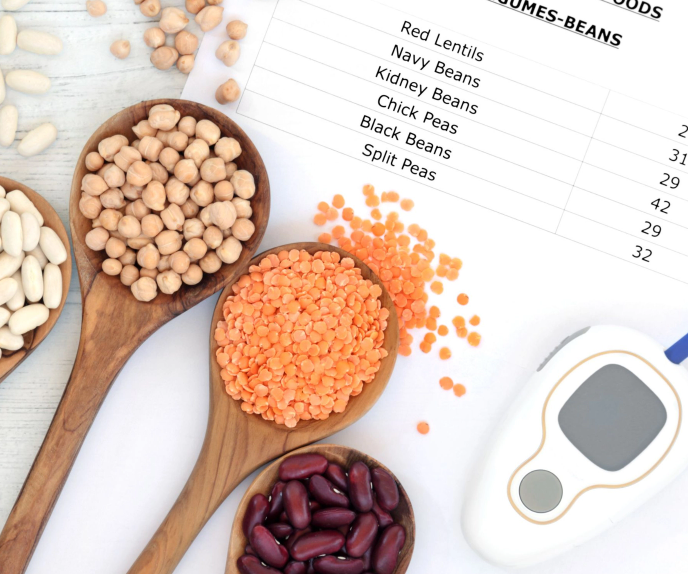
Lentils and pulses are also a great low GI option, due to their fibre content. Including such foods in your diet will generally help you feel fuller for longer. This is because rapid peaks in blood sugars lead to massive troughs and slumps in energy levels.

While GI is a useful tool for navigating healthier carbs, the system does have its limitations. Some nutritionists argue some high GI foods are worth including in the diet, because of their other health/medicinal benefits. A classic example here might be honey. Also how you combine foods can affect the resulting blood sugar spike, for instance taking a small salad before high GI foods can bring the blood sugar impact down. This simple hack is explored in the book The Glucose Revolution.

Also the rate a food raises your blood sugar is also linked to other factors, including how much you eat of it. So eating a mountain of rice, even if it is low GI, is not particularly healthy choice. Portion control is still important.

But it is good to know a delicious side of basmati rice can be enjoyed as part of a healthy diet and is one of the healthier white rice varieties in the GI stakes.